

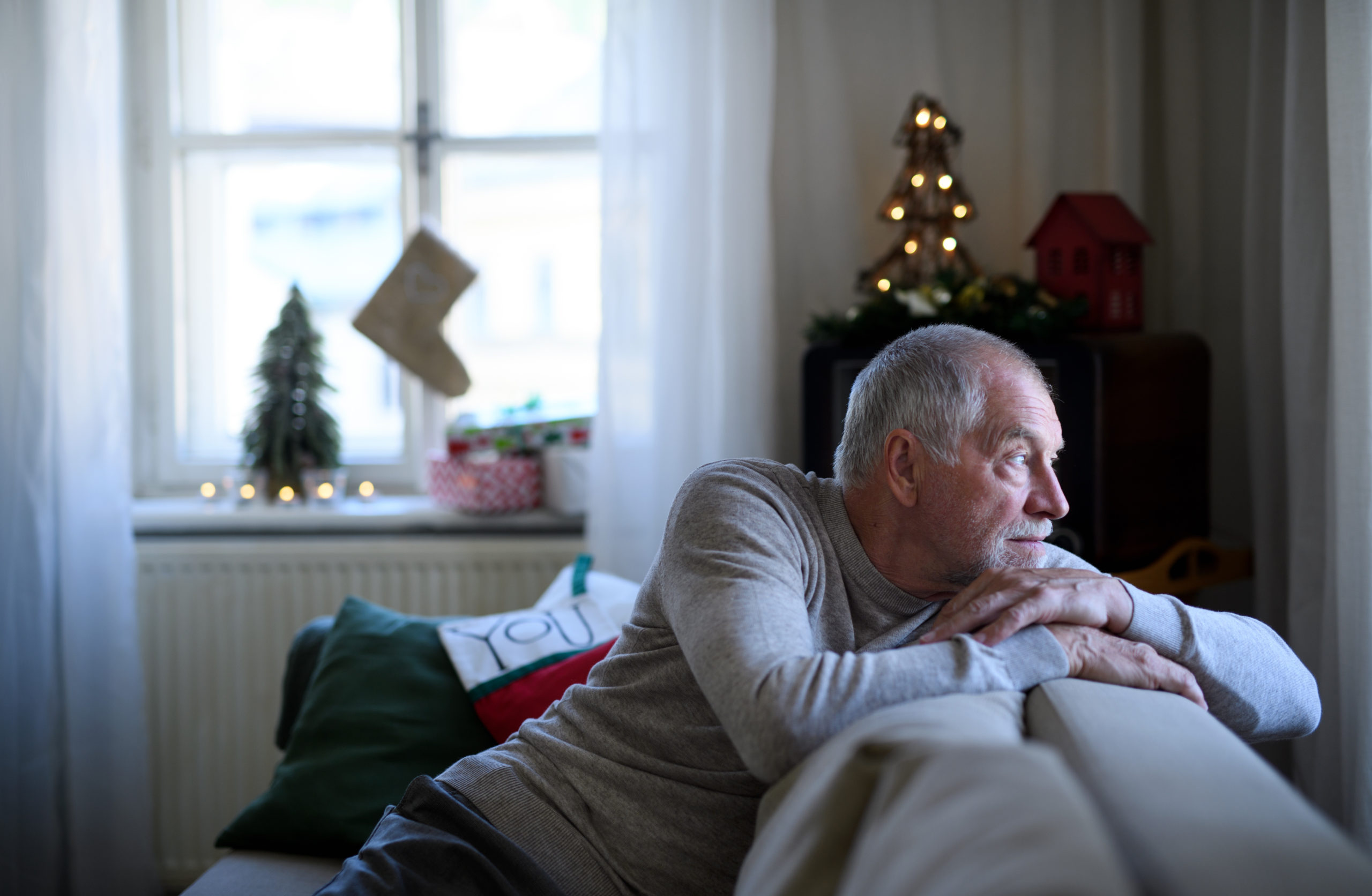
Shorter days, cold weather, and icy sidewalks can make winter feel isolating, especially for older adults who have difficulty getting outdoors. For some people, seasonal changes bring more than the occasional winter blues.
Seasonal affective disorder (SAD) is a type of depression that follows a recurring seasonal pattern. Symptoms can affect mood, energy, sleep, appetite, and interest in everyday activities. A healthcare professional can assess these changes and determine whether SAD or another condition may be involved.
|
Need immediate emotional support? If you or someone you love is thinking about suicide or is in emotional crisis, call or text 988 to reach the 988 Suicide & Crisis Lifeline, any time of day or night. If there is immediate danger, call 911. Learn more at the 988 Suicide & Crisis Lifeline. |
If you care for an older loved one, this guide explains what to watch for, when to seek professional help, and how a safer, more accessible home can support everyday routines and social connection.
Liv Home Pros serves homeowners in Rochester and communities throughout Western and Central New York. We are not a healthcare provider, but we help people explore home accessibility improvements that can make daily life easier.
What is Seasonal Affective Disorder?
Seasonal affective disorder (SAD) is a type of depression characterized by a recurring seasonal pattern. Winter-pattern SAD commonly begins in late fall or early winter and improves during spring and summer. Symptoms can include persistent low mood, reduced interest in activities, low energy, changes in sleep or appetite, and social withdrawal.
SAD is more than an occasional period of feeling down during winter. A healthcare professional can assess symptoms and determine whether they meet the criteria for SAD or another condition.
Signs to Watch For
Changes worth discussing with a healthcare professional include:
-
Persistent sadness or low mood
-
Loss of interest in activities the person normally enjoys
-
Unusual fatigue or reduced energy
-
Sleeping more than usual or other changes in sleep
-
Changes in appetite or weight
-
Irritability or difficulty concentrating
-
Withdrawing from friends, family, or usual activities
These signs do not automatically mean someone has SAD. Other medical or mental health conditions can cause similar changes, so a professional assessment is important.
Thoughts of hopelessness or suicide should always be taken seriously. If you or your loved one is in emotional crisis, use the crisis resources provided in this article.
How Can Winter Affect Older Adults Aging in Place?
Winter weather can make it harder for people with limited mobility to leave home, visit friends, or take part in activities they enjoy. Snow, ice, and shorter daylight hours may also make everyday outings more difficult to plan.
When opportunities to get outside or spend time with others become limited, some people may feel more isolated. This does not mean that limited mobility causes depression, or that everyone who spends more time at home will develop SAD. It does mean that staying connected, maintaining meaningful routines, and seeking professional support when mood changes persist are worth prioritizing.
Caregivers can help by checking in regularly, planning safe opportunities for social connection, and encouraging their loved one to talk with a healthcare professional if mood, sleep, appetite, or interest in usual activities changes noticeably.
How to Support an Older Loved One During Winter
1. Make the Most of Natural Light
Open curtains during the day and make the most of comfortable, naturally lit areas of the home. Check whether furniture or window coverings unnecessarily block daylight, while maintaining privacy and comfort.
Light therapy using a specially designed bright light box is a recognized treatment for winter-pattern SAD. However, it is not appropriate for everyone. Encourage your loved one to consult a healthcare professional before starting, especially if they have an eye condition or take medication that may increase light sensitivity.
2. Encourage Activities That Fit Their Abilities
Exercise is proven to be a mood booster. Physical activity releases endorphins in the body, which trigger happy feelings that reduce stress. Of course, exercise can be extremely difficult for those with different abilities. If you need some help finding manageable physical activities, read this guide on exercising with limited mobility. You can also talk to their doctor to find out the safest methods of incorporating movement into their day.
3. Support Balanced Meals and Ask Before Using Supplements
Regular, balanced meals support overall health. Although vitamin D has been studied as a treatment for winter-pattern SAD, research has produced mixed results. Ask a healthcare professional before adding supplements or changing medications.
4. Make Staying Connected Easier
Plan regular phone or video calls, arrange visits when conditions allow, or help your loved one find suitable community activities. Even small, consistent opportunities to connect with family and friends can give the week more structure.
5. Make Everyday Movement Around the Home Easier
Look at the areas your loved one uses most. Better lighting, clear pathways, secure handrails, and suitable access at the entrance can make everyday routines easier. A stairlift may help someone access another floor when stairs have become difficult.
Liv Home Pros offers home accessibility solutions such as lighting and safety improvements, handrails, ramps, and stairlifts. These modifications can support accessibility and independence, but they do not diagnose or treat depression.
6. Know When to Seek Professional Help
Encourage your loved one to contact a doctor or mental health professional if low mood, loss of interest, or changes in sleep or appetite persist, worsen, or interfere with daily life. A professional can assess possible causes and discuss appropriate options, which may include psychotherapy, medication, or light therapy.
If your loved one talks about suicide or you believe they may be in immediate danger, seek urgent help. Use the crisis information below rather than trying to manage the situation alone.
Liv Home Pros Can Help Make Home Life Easier
Seasonal affective disorder requires appropriate healthcare support. While Liv Home Pros cannot diagnose or treat depression, we can help homeowners explore changes that make their homes safer, brighter, and easier to navigate.
From improved lighting and handrails to ramps, stairlifts, and accessible remodeling, the right home modifications depend on the person’s needs and the layout of the property.
Liv Home Pros serves Rochester, Buffalo, Syracuse, and communities throughout Western and Central New York. Call 585-203-9200 or visit our contact page to discuss your accessibility needs and ask about a free home evaluation.
For more guidance, read our article on creating a safe environment for aging in place.
Frequently Asked Questions (FAQs)
What is seasonal affective disorder?
Seasonal affective disorder (SAD) is a type of depression that follows a recurring seasonal pattern, commonly beginning in fall or winter and improving in spring or summer. A healthcare professional can assess symptoms and determine whether someone has SAD.
What are the signs of seasonal affective disorder in an older adult?
Signs may include persistent low mood, loss of interest in usual activities, fatigue, changes in sleep or appetite, difficulty concentrating, and social withdrawal. These symptoms can also have other causes, so lasting or worsening changes should be discussed with a healthcare professional.
Can seasonal affective disorder be prevented?
There is no guaranteed way to prevent SAD. People who experience recurring seasonal symptoms can speak with a healthcare professional about planning ahead and whether starting an appropriate treatment earlier would be beneficial. Research on prevention remains limited.
Does light therapy help seasonal affective disorder?
Light therapy is a recognized treatment for winter-pattern SAD. It typically involves using a specially designed bright light box according to a recommended schedule. Talk with a healthcare professional before starting, particularly if you have certain eye conditions or take medication that increases light sensitivity.
Does vitamin D help with seasonal affective disorder?
Research on vitamin D as a treatment for SAD has produced mixed results. Ask a healthcare professional before taking supplements, especially if you use medication or have other health conditions.
How can winter weather and limited mobility affect mood?
Snow, ice, and shorter daylight hours can make it harder for some people with limited mobility to get outdoors or see friends and family. Reduced opportunities for social contact may contribute to feelings of isolation, although experiences vary from person to person.
How can home improvements help an older adult during winter?
Better lighting, clear pathways, handrails, and suitable ramps or lifts can make daily movement around the home easier. These changes can support accessibility and independence, but they are not treatments for depression. Liv Home Pros can discuss home accessibility options at 585-203-9200 or through its contact page.
When should I seek help for a loved one's mood?
Contact a doctor or mental health professional if low mood, loss of interest, or changes in sleep or appetite persist, worsen, or interfere with daily life. If your loved one is thinking about suicide or is in emotional crisis in the United States, call or text 988. If there is immediate danger, call 911.