

A bathtub can be one of the most relaxing places in your home.
For some people, there’s nothing better than sitting in warm water at the end of the day. But getting into that bathtub can become a very different experience when balance, flexibility, or mobility starts to change.
The challenge isn’t necessarily the bathing itself.
It’s getting there.
Stepping over the side of a traditional bathtub, lowering yourself into the tub, standing up again, and getting back out can become increasingly difficult. And once bathing starts to feel like something you have to carefully manage rather than simply enjoy, it may be time to consider whether your bathroom is still working the way you need it to.
That’s where a walk-in tub can make sense.
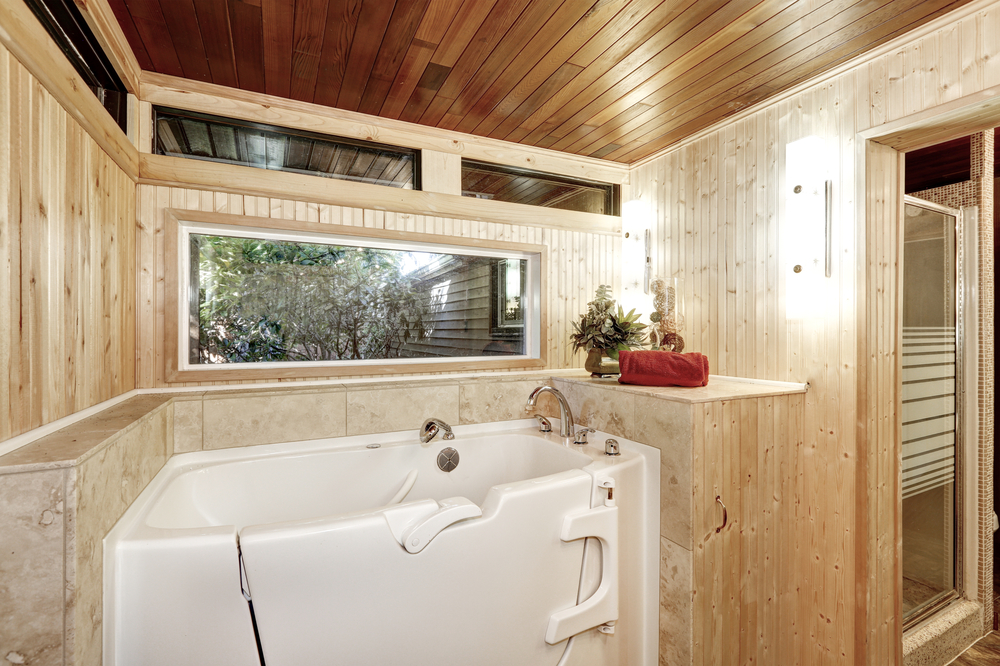
A walk-in tub combines a watertight door with a built-in seat, allowing you to enter without stepping over the full height of a traditional bathtub. Depending on the model, it may also include features such as grab bars, slip-resistant surfaces, handheld showerheads, heated seating, or hydrotherapy jets.
But a walk-in tub isn’t automatically the right answer for everyone.
Some homeowners want to continue soaking in a tub but need an easier way to get in and out. Others would rather have a walk-in shower that lets them bathe quickly without waiting for a tub to fill and drain.
The right choice depends on how you bathe, what your bathroom allows, and what you need your bathroom to do for you.
Here are five reasons a walk-in tub may be worth considering.
1: Fits In the Existing Shower Space
One of the biggest advantages of a walk-in tub is that it can be installed in the same space as your existing shower or bathtub. This means you don’t have to worry about major renovations or changes to your bathroom layout. You can enjoy the benefits of a walk-in tub without the hassle of a full bathroom remodel.
Because a walk-in tub can often be installed in the space occupied by an existing bathtub, it may be possible to improve bathing access without completely redesigning the bathroom.
The exact installation requirements depend on the existing bathroom, plumbing, electrical needs, tub model, and features selected. That’s why a professional assessment is important before choosing a particular tub.
Liv Home Pros can evaluate your existing space and help determine what type of walk-in tub and installation approach would work best for your bathroom.
2: Safe, Safe, Safe
Walk-in tubs can incorporate several features designed to make bathing easier and more manageable. Depending on the model, these may include a low-entry door, built-in seating, grab bars, slip-resistant surfaces, handheld showerheads, accessible controls, and other features that can reduce the need to step, reach, or balance on a wet surface.
The right combination depends on the person using the tub. Someone who needs additional support getting in may have different needs from someone whose primary concern is being able to bathe comfortably while seated.
Choosing the right walk-in tub should start with those individual needs rather than simply choosing the model with the longest list of features.
Falls are a serious concern for older adults. According to the CDC, falls are the leading cause of fatal and nonfatal injuries among adults 65 and older. CDC research on bathroom injuries has also found that falls account for about 80% of bathroom injuries, with bathing, showering, and getting in and out of the tub or shower among the activities associated with injury. (cdc.gov)
A walk-in tub doesn’t eliminate every bathroom hazard, but its lower-entry design can remove one of the biggest barriers associated with a traditional bathtub: stepping over the tub wall to get inside.
3: You Can Still Shower
Choosing a walk-in tub doesn’t mean giving up your daily shower.
Many walk-in tubs can also be used as showers, allowing you to keep the showering routine you’re already comfortable with. Depending on the model and bathroom layout, the existing shower setup may be incorporated into the new installation, or a handheld or wall-mounted showerhead may be added.
This flexibility can be especially useful in households where people have different bathing preferences. One person may prefer a quick shower, while another may enjoy sitting and soaking in warm water.
And that’s one of the unique advantages of a walk-in tub: you can have both options in the same bathing space.
Depending on the model, walk-in tubs may also include features such as air or water jets, heated seats or backrests, and other comfort features designed to make soaking more enjoyable.
4: Continued Independence While Aging at Home
As we age, it can become more difficult to perform everyday tasks, including bathing. A walk-in tub can help you to maintain your independence and stay in your home for longer. With a walk-in tub, you can bathe safely and comfortably without relying on outside assistance. It also gives your family and friends added peace of mind to know you are able to move about comfortably in your home.
For someone who wants to continue bathing independently, this can be an important consideration. A walk-in tub can reduce the need to step over a traditional tub wall and provide a seated bathing option, allowing the bathroom to better accommodate changing mobility needs.
That doesn’t mean a walk-in tub is the right solution for everyone. Some homeowners may be better served by a walk-in shower, a tub cut, or another accessibility modification.
The goal is to find the solution that makes the bathroom work better for the person using it.
5: Hydrotherapy Benefits
Walk-in tubs offer a range of hydrotherapy benefits, including improved circulation, reduced inflammation, and relief from joint pain. The warm water and jets can help to soothe sore muscles and promote relaxation. Hydrotherapy has also been shown to have a positive impact on mental health, reducing stress and anxiety.
Arthritis
Arthritis is a common condition that causes joint pain and stiffness. Hydrotherapy, which involves the use of warm water and jets, can help to reduce inflammation and relieve pain. A walk-in tub allows you to immerse yourself in warm water, which can help to soothe sore joints and promote relaxation. The jets can also provide a gentle massage, which can help to improve circulation and reduce stiffness.
Cardiovascular Improvements
Hydrotherapy has been shown to have a positive impact on cardiovascular health. The warm water and jets can help to improve circulation, reduce blood pressure, and promote relaxation. A walk-in tub can be a great way to incorporate hydrotherapy into your daily routine and improve your overall cardiovascular health.
High Blood Sugar Reduction
High blood pressure, or hypertension, is a common condition that can lead to serious health problems. Bathing in a tub has been shown to be effective in reducing blood pressure. The warm water and jets can help to dilate blood vessels, which can improve blood flow and reduce blood pressure.
Stress and Anxiety Reduction
Stress and anxiety can have a negative impact on both your physical and mental health. The warm water and jets can help to promote relaxation and reduce muscle tension. A walk-in tub can be a great way to unwind after a long day and improve your overall mental health.
Contact our team to schedule a free home evaluation today!
What Does a Walk-In Tub Cost?
The cost of a walk-in tub can vary significantly depending on the tub model, features, bathroom layout, and installation requirements.
A basic safety-focused model may cost considerably less than a model with hydrotherapy, heated surfaces, specialized seating, or other premium features. Installation costs can also vary depending on what needs to be modified in the existing bathroom.
When comparing prices, look beyond the tub itself. Ask what is included in the installation, whether plumbing or electrical work is required, which safety features are included, and whether the quoted price covers removal of the existing tub.
Rather than choosing a walk-in tub based on price alone, consider what you actually need the tub to accomplish. The right solution should balance accessibility, comfort, features, and the realities of your existing bathroom.
Liv Home Pros provides free home assessments so homeowners can discuss their bathroom, needs, and available options before making a decision.
Call 585-203-9200 or schedule your free home evaluation.
Walk-In Tub or Walk-In Shower: Which Is Better?
The answer depends on how you prefer to bathe and what your bathroom needs to accomplish.
A walk-in tub may be a good fit if you enjoy soaking, prefer bathing while seated, or are specifically interested in features such as hydrotherapy.
A walk-in shower or tub-to-shower conversion may make more sense if you want faster, easier entry and exit without waiting for a tub to fill and drain. A shower can also provide flexibility for people who prefer standing or seated showering.
Neither solution is automatically better.
The right choice depends on your mobility, bathing preferences, bathroom layout, and the features that matter most to you.
Want to compare your options?
Learn how a tub-to-shower conversion can support aging in place
Explore our guide to accessible bathroom conversions
Ready to Find Out If a Walk-In Tub Is Right for You?
Choosing a walk-in tub is about more than choosing a product. The right solution depends on your bathroom, how you bathe, the support you need, and how you want to use the space in the years ahead.
Liv Home Pros offers free home evaluations throughout Rochester, Monroe County, and surrounding Western and Central New York. Our Certified Aging in Place Specialists can evaluate your bathroom, listen to your concerns, and help you understand which options may be right for your home.
And if you decide a walk-in shower or tub-to-shower conversion would better fit your needs, we can help with that too.
Frequently Asked Questions (FAQs)
What are the disadvantages of a walk-in tub?
A walk-in tub isn’t ideal for everyone. Because the door must be closed before the tub can fill and opened after the water drains, bathing can take longer than using a shower. Walk-in tubs can also require a larger investment than some simpler bathroom modifications. For someone who prefers quick entry and exit, a walk-in shower may be a better fit. The right choice depends on how you prefer to bathe and what your bathroom needs to accomplish.
Is a walk-in tub better than a walk-in shower?
Neither is automatically better. A walk-in tub may be a better fit for someone who enjoys soaking, prefers seated bathing, or wants hydrotherapy features. A walk-in shower may make more sense for someone who prioritizes quick entry and exit or prefers showering over soaking. The right choice depends on your mobility, bathing preferences, bathroom layout, and the features that matter most to you.
Can you shower in a walk-in tub?
Yes. Many walk-in tubs can also be used for showering, depending on the model and installation. A showerhead may be incorporated into the tub setup, allowing you to shower without giving up the option to soak. This can make a walk-in tub a flexible choice for households where people have different bathing preferences.
Do walk-in tubs require you to sit in the water while it drains?
Yes. Because a walk-in tub has a watertight door, the door generally needs to remain closed while the tub is filled and while it drains. This means you need to allow additional time before getting out compared with a traditional shower. For someone who values soaking, this may be a reasonable tradeoff. For someone who prefers quick showers, a walk-in shower may be more convenient.
Are walk-in tubs good for aging in place?
A walk-in tub can support aging in place by reducing the need to step over a traditional bathtub wall and providing a seated bathing option. But aging in place doesn’t look the same for everyone. Some homeowners may be better served by a walk-in shower, tub cut, grab bars, or other modifications. The best solution is the one that matches your current needs while allowing the bathroom to adapt as those needs change.
Can a walk-in tub help if I still want to take baths?
Yes. One of the main reasons someone may choose a walk-in tub instead of a walk-in shower is that they want to continue enjoying a bath. A walk-in tub can provide easier entry while preserving the ability to sit and soak in warm water. Depending on the model, additional features such as air or water jets may also be available.
Does a walk-in tub make a bathroom completely safe?
No bathroom modification can eliminate every potential hazard. A walk-in tub can reduce the need to step over a traditional tub wall, but other factors such as flooring, lighting, grab-bar placement, transfers, and the user’s individual mobility still matter. A professional bathroom assessment can help identify which modifications would provide the most meaningful improvement for your specific situation.
Does Liv Home Pros install walk-in tubs in Rochester, NY?
Yes. Liv Home Pros helps homeowners throughout Rochester, Monroe County, and surrounding Western and Central New York with bathroom accessibility solutions, including walk-in tubs. Our team can evaluate your bathroom, discuss your needs, and help you determine whether a walk-in tub or another accessibility solution makes the most sense for your home.