

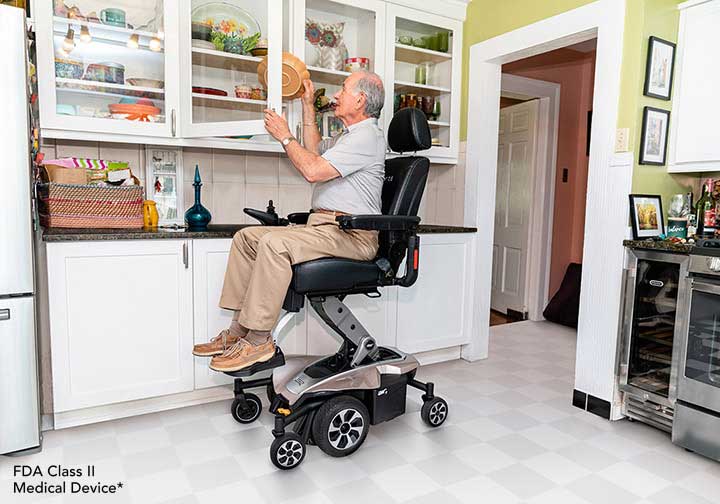
As we age, many of us want to remain in the comfort of our own homes, even if our needs change. According to AARP’s 2024 Home and Community Preferences Survey, 75% of adults aged 50 and older want to stay in their homes as they age, and many anticipate making home modifications to support their future needs.
Staying at home safely takes planning. The CDC reports that more than one in four adults aged 65 and older falls each year. Thoughtful home modifications, appropriate equipment, and practical safety measures can help address hazards and make everyday activities easier.
In the past, older adults who needed additional assistance might have moved in with family or into a care facility. Today, there are more options to consider. Depending on their needs, many people can continue living at home with a combination of home modifications, accessibility equipment, in-home support, and assistive technology.
The right approach depends on the person, their home, and the level of support they need.
For older adults who want to remain at home, the physical environment deserves careful attention. Bathrooms, stairs, poor lighting, cluttered pathways, and loose rugs can create obstacles or increase the risk of falls. Changes in memory or mobility may also make everyday activities, such as preparing meals or managing medications, more challenging.
A room-by-room home safety review can help identify potential hazards and prioritize practical improvements. Some changes may be simple, such as removing a loose rug or improving lighting. Others may call for equipment or modifications tailored to the person’s needs.
What Home Modifications Can Help Older Adults Stay at Home?
Different areas of the home can present different challenges as mobility and daily needs change. The right modifications depend on the person’s abilities, routines, and home layout. Here are some options that may help make everyday activities more manageable.
In the Bathroom
Bathrooms can become challenging when stepping into a shower, standing for long periods, or getting on and off the toilet becomes difficult. Grab bars, handrails, and shower chairs may provide additional support when appropriately selected and installed.
Explore grab bars and handrails and bath and shower safety equipment to learn more about available options.
On the Stairs
Stairs can become more difficult to navigate as mobility, balance, or strength changes. A stairlift may help someone travel between floors without having to climb the stairs. Suitability depends on the person’s needs, the staircase, and the available space.
Learn more about stairlifts from Liv Home Pros.
At Entrances and Between Levels
Steps at entrances and changes in floor level can make entering or moving around the home more challenging. Depending on the property and the person’s needs, a ramp or appropriately installed handrails may improve access and provide additional support.
Explore ramp solutions for more information.
Throughout the Home
A safer home environment also involves everyday details. Clear walking paths, adequate lighting, secure flooring, and frequently used items placed within comfortable reach can make daily routines easier. Reviewing each room can help families identify changes to consider now and as needs evolve.
How Can Smart Home Technology Support Aging in Place?
Smart home technology can provide additional ways for older adults and caregivers to stay connected. Depending on the devices selected, voice assistants, video doorbells, security systems, and emergency response devices may make it easier to communicate, check who is at the door, or call for assistance.
Technology works best when it matches the person’s preferences, abilities, privacy needs, and comfort with using it. It can complement a home safety plan, but it does not replace hands-on assistance when that support is needed.
For more ideas, read our guide to smart home technology and accessibility.
Take the First Step Toward a Safer, More Accessible Home
Aging in place can be a meaningful choice, but it often takes planning to make a home work well as needs change. AARP’s 2024 Home and Community Preferences Survey found that, among adults aged 50 and older who anticipate home modifications, 72% expect to make bathroom changes and 71% expect to make changes to improve home entry or access.
These findings highlight why accessibility planning matters. Identifying challenges early can help individuals and families explore practical options before everyday activities become more difficult.
Liv Home Pros helps homeowners explore accessibility solutions, including stairlifts, ramps, grab bars, handrails, and accessible remodeling.
Call 585-203-9200 or visit our contact page to discuss your needs and ask about a home evaluation. You can also read our guide to creating a safe environment for aging in place for more planning guidance.
Frequently Asked Questions (FAQs)
What does aging in place mean?
Aging in place means continuing to live in your own home and community as you get older, rather than moving solely because your needs change. This may involve home modifications, accessibility equipment, assistive technology, and additional support.
How many older adults want to age in place?
According to AARP’s 2024 Home and Community Preferences Survey, 75% of adults aged 50 and older want to remain in their homes as they age. Many also anticipate making changes to their homes to support future needs.
What areas of the home should be reviewed for safety?
Bathrooms, stairs, entrances, and frequently used walking paths are important areas to review. Poor lighting, loose rugs, clutter, and changes in floor level may also create hazards. The specific concerns will depend on the person’s mobility and daily routines.
What home modifications can help older adults stay at home?
Depending on individual needs, options may include grab bars, handrails, shower chairs, stairlifts, ramps, improved lighting, and accessible remodeling. A review of the home can help identify which changes may be appropriate.
Can smart home technology help older adults live independently?
Smart home devices may help older adults communicate with family, check visitors, or access assistance. The best options depend on the person’s needs, comfort with technology, privacy preferences, and available support.
Is it safe for an older adult to live alone?
That depends on the person’s health, mobility, ability to manage daily activities, home environment, and access to support. Home modifications can address certain environmental hazards, but they may not replace personal care or other assistance when needed.
When should I consider a home accessibility evaluation?
Consider reviewing the home when stairs or bathroom activities become difficult, mobility changes, near-falls occur, or you want to prepare for future needs. Planning ahead can help families understand their options.
Does Liv Home Pros help homeowners with aging in place in Rochester, NY?
Liv Home Pros offers accessibility solutions such as stairlifts, ramps, grab bars, handrails, and accessible remodeling. Contact the team at 585-203-9200 or visit the Liv Home Pros contact page to discuss your needs and ask about available services.