

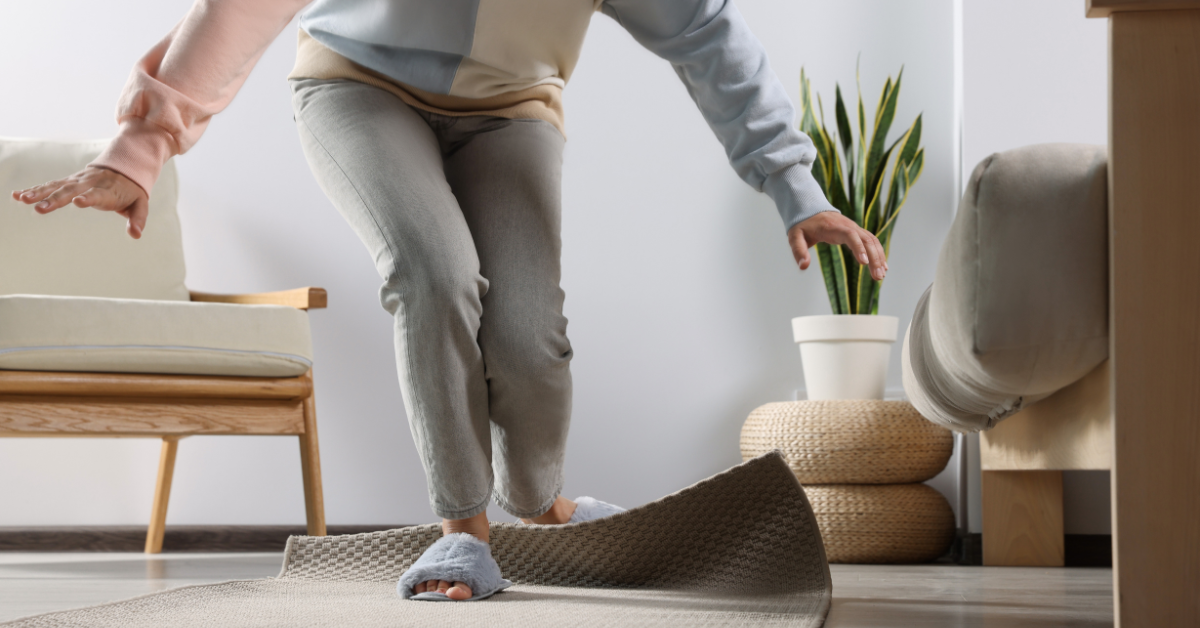
Most home accidents don’t happen because of major structural problems, they happen because of everyday hazards that are easy to overlook. According to the Centers for Disease Control and Prevention, falls are one of the leading causes of injury among older adults, and many occur inside the home. Fortunately, many of these risks can be reduced with simple home modifications and accessibility improvements.
At Liv Home Pros, we believe that peace of mind begins with prevention. In this article, we’re shedding light on the most commonly overlooked home safety hazards and, more importantly, how to fix them.
Why Home Safety Matters
Many fall risks inside the home develop gradually and often go unnoticed until an accident occurs. Understanding how common these incidents are highlights why taking preventive action is so important.
- More than 1 in 4 adults age 65 and older falls each year.
- Most falls occur in or around the home, where older adults spend the majority of their time.
- Simple home modifications such as improving lighting, removing trip hazards, and installing grab bars can significantly reduce the risk of falls.
- Preventing even one fall can help older adults maintain their independence, avoid lengthy recoveries, and continue aging in place safely.
The good news is that many of the most common hazards are both identifiable and fixable. A proactive approach to home safety can make everyday living safer and provide greater peace of mind for both older adults and their families.
Here are seven commonly overlooked home hazards, and what you can do to reduce the risk of falls and support safer aging in place.
1. Throw Rugs & Loose Carpets
Why it’s risky: These often decorative items can curl up at the corners or slide on smooth surfaces, creating serious tripping hazards.
What you can do: Remove them entirely or secure them with non-slip backings. Better yet, opt for low-pile carpeting or textured flooring that reduces slipping without sacrificing style.
2. Poor Lighting in Hallways and Stairs
Why it’s risky: Dim lighting can make it harder to notice steps, thresholds, or even dropped objects, especially during nighttime bathroom trips.
What you can do: Install brighter LED bulbs, add nightlights in hallways and bathrooms, or consider motion-sensor lighting that turns on automatically as you move through the space.
3. Cluttered Pathways & Tight Furniture Layouts
Why it’s risky: Narrow walkways can be difficult to navigate with canes, walkers, or mobility aids. Clutter creates unnecessary obstacles and fall potential.
What you can do: Reorganize rooms to allow wide, clear walking paths. Make sure cords, baskets, or low furniture are out of the way. A few simple layout adjustments can dramatically improve safety and independence.
4. Lack of Grab Bars in Critical Areas
Why it’s risky: Slips and falls are most likely in areas where balance is compromised like when getting in and out of the shower, off the toilet, or out of bed.
What you can do: Install grab bars in bathrooms, near beds, and by doorways. These aren’t just for emergencies; they offer day-to-day stability and confidence.
Professional Tip: Grab bars should always be securely anchored into wall studs or installed using approved mounting systems. Towel bars are not designed to support body weight and should never be used as a substitute for a properly installed grab bar.
5. Slippery Bathroom Floors
Why it’s risky: Wet tiles, steam, and soap residue can all contribute to slick surfaces.
What you can do: Use textured, non-slip mats inside and outside the shower. Consider anti-slip coatings or replacing flooring with slip-resistant materials specifically designed for wet environments.
6. Unsecured Cords and Wires
Why it’s risky: Electrical cords can become tripping hazards when left loose across floors or tucked behind furniture where they’re not easily seen.
What you can do: Use cord organizers or covers that keep wires secured and flush with walls. Tape them down when necessary or reroute them entirely to keep high-traffic areas clear.
7. Inaccessible Emergency Numbers
Why it’s risky: During a fall or medical emergency, time is of the essence. Searching for a phone number or trying to remember who to call can delay crucial help.
What you can do: Post a large-print emergency contact list in a visible location (like on the fridge or next to the phone). Set up voice-activated devices like Alexa or Google Home that can call for help when needed.
When Should You Schedule a Home Safety Assessment?
Sometimes the warning signs are subtle. A professional home safety assessment can identify risks before they result in an injury.
Consider scheduling an assessment if:
- You’ve experienced a recent fall or near fall.
- You’re beginning to use a cane, walker, or wheelchair.
- You’re recovering from surgery or a medical condition that affects mobility.
- You’re helping an aging parent remain safely at home.
- You find everyday activities like bathing, climbing stairs, or getting in and out of bed becoming more difficult.
At Liv Home Pros, we’ve helped homeowners throughout Rochester, NY and nearby areas, create safer, more accessible living environments through personalized recommendations and professional accessibility solutions. Every home and every family is different, which is why we believe home safety should never be one-size-fits-all.
Whether you’re planning ahead or responding to a recent change in mobility, a home safety assessment can provide practical solutions that support long-term independence for homeowners across the Greater Rochester area.
Let’s work together to make your home the safe haven it was meant to be.
Call Us: [585-203-9200]
Frequently Asked Questions (FAQs)
What are the most overlooked hazards in the home for elderly people?
The 7 most overlooked home hazards for older adults are:
(1) throw rugs and loose carpets that curl and slide; (2) poor lighting in hallways, stairs, and bathrooms; (3) cluttered pathways and tight furniture layouts that block mobility aids; (4) lack of grab bars near toilets, showers, and tubs; (5) stairs without secure handrails on both sides; (6) slippery or wet bathroom surfaces; and (7) raised thresholds and uneven outdoor entry steps.
Each of these is responsible for thousands of preventable falls and injuries each year.
What home hazards cause the most falls in older adults?
According to the CDC, falls are the leading cause of injury for adults over 65, causing over 36 million falls annually in the US. The most common in-home causes are: slippery floors and loose rugs, poor or inadequate lighting, lack of grab bars in bathrooms, stairs and steps without proper handrails, and cluttered walkways that obstruct movement. Addressing these hazards proactively before a fall occurs is the most effective fall prevention strategy available.
Are throw rugs dangerous for elderly people?
Yes, throw rugs are one of the most common fall hazards in the home for older adults. Rugs can curl at the corners, shift on smooth flooring, or catch the tip of a cane or walker, causing an unexpected trip. The safest options are to remove throw rugs entirely, replace them with non-slip mats secured with heavy-duty backing, or install low-pile wall-to-wall carpeting. Even a well-placed non-slip rug can become hazardous over time as backing wears down.
How important is lighting for fall prevention in the home?
Lighting is one of the highest-impact, lowest-cost fall prevention improvements available. Dim hallways and staircases make it difficult to see steps, raised thresholds, or objects left on the floor, especially during nighttime bathroom trips, which are a peak risk period for falls. Installing motion-sensor nightlights, brighter LED bulbs, and illuminated light switches in key areas (hallway, bathroom, bedroom) can significantly reduce fall risk with minimal investment.
Where should grab bars be installed to prevent falls at home?
Grab bars should be installed in every area where balance is compromised during a transition, specifically: inside and outside the shower or tub, next to the toilet (both sides if possible), along hallways used at night, at the top and bottom of staircases, and near the bed if getting up is a challenge. Grab bars must be professionally installed into wall studs to support full body weight- suction cup grab bars are not safe substitutes. Liv Home Pros provides professional grab bar installation throughout Rochester, NY.
What bathroom modifications reduce fall risk for seniors?
The most effective bathroom modifications for fall prevention include: professional grab bar installation next to the toilet and in the shower or tub, a tub-to-shower conversion to eliminate the step-over entry hazard, a walk-in shower with a zero-entry threshold, non-slip flooring or adhesive strips on wet surfaces, a handheld showerhead to reduce reaching and twisting, and a shower bench or chair for seated bathing. Together these modifications address the bathroom’s status as the highest-risk room in the home for falls.
How can I make the outside of my home safer for aging in place in Rochester?
Exterior hazards are especially important in Rochester due to winter ice and snow. Key outdoor modifications include: installing handrails on all entry steps, adding a wheelchair ramp or vertical platform lift for step-free entry, improving exterior lighting at all entry points, using non-slip treads on outdoor steps, and ensuring clear sightlines to the door from parking areas. Liv Home Pros designs and installs exterior accessibility solutions specifically for Upstate New York’s climate conditions.
How do I identify all the hazards in my home that could cause a fall?
The most reliable way is a professional home safety assessment from a CAPS-certified specialist. A trained assessor evaluates the home systematically, checking every room, transition point, and entry for the hazards families most commonly miss. Liv Home Pros offers free home safety assessments throughout Rochester, Monroe County, and surrounding Western and Central New York. Call 585-203-9200 or visit livhomepros.com to schedule with no obligation.